
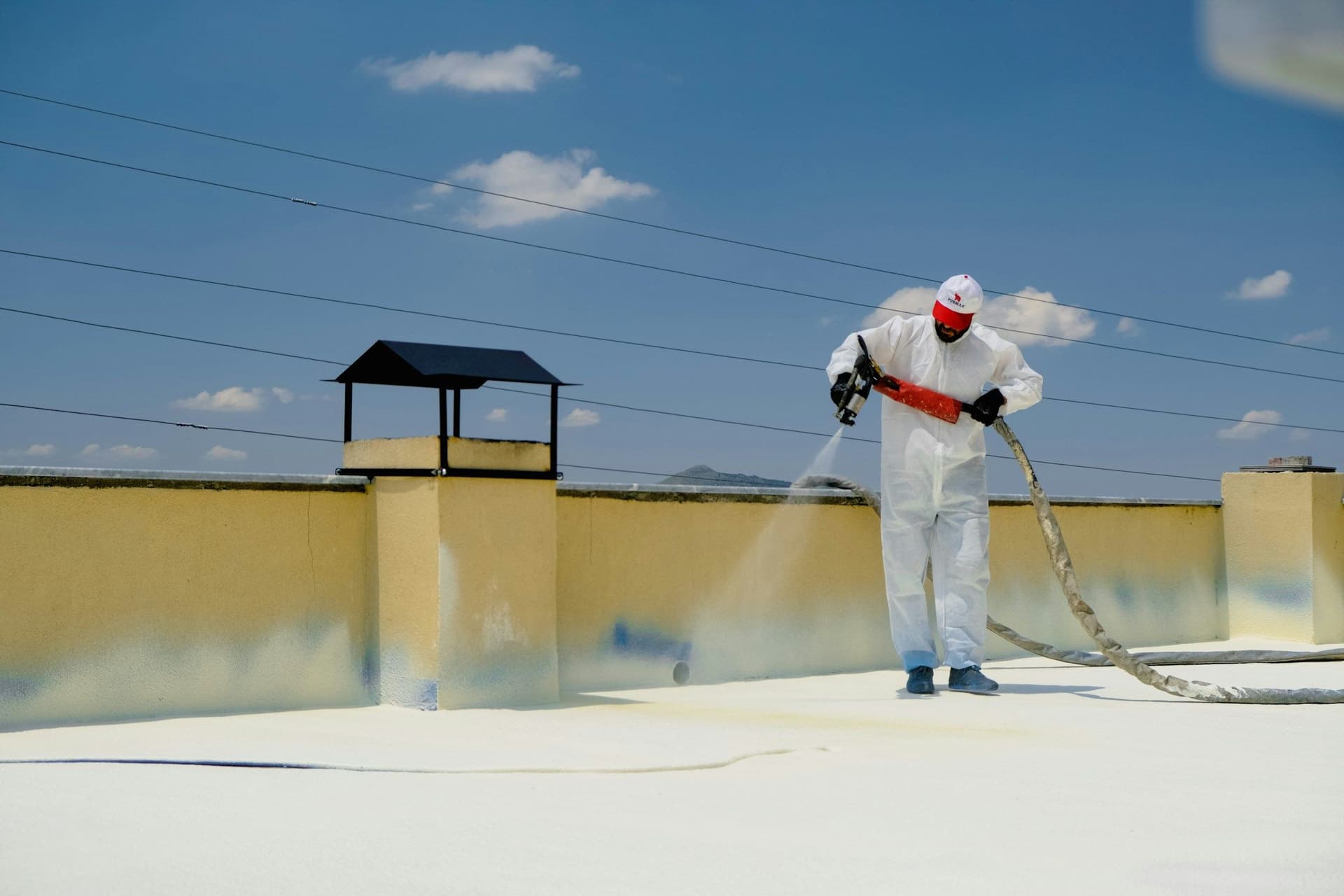
Insulation and waterproofing in Dubai
Roofs, terraces, wet rooms and walls sealed against water and insulated against heat, planned before the finishes cover the work.
Free estimates. No obligation or upfront payment required.
Signs of leaks and heat gain
Water and heat leave marks long before a ceiling gives way. Look for these.
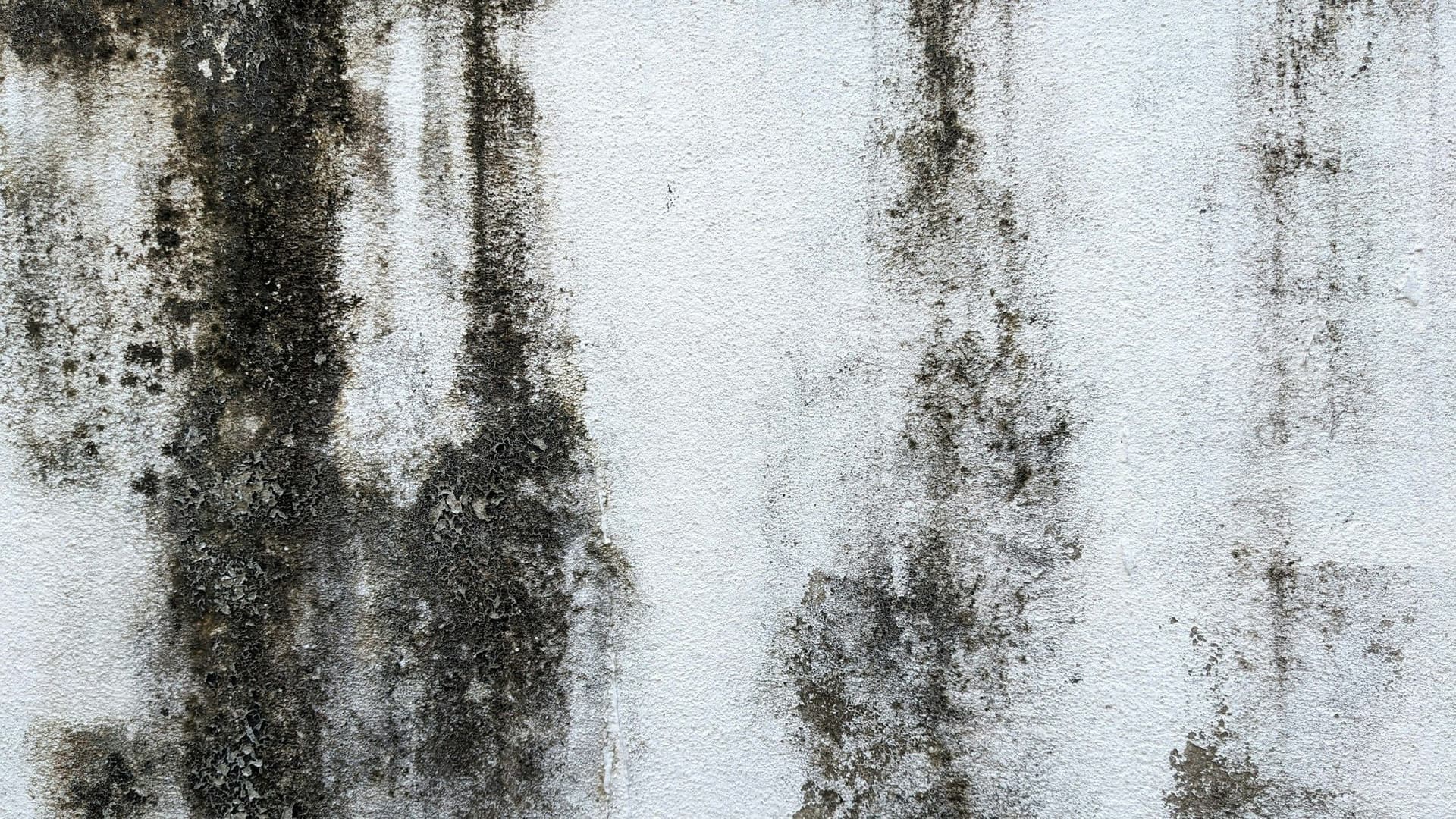
- Stains, bubbling or peeling paint on a ceiling, often under a roof, terrace or bathroom.
- A damp, musty smell in a room or cupboard.
- Black or green mold spots on walls or ceilings.
- Tiles that sound hollow, lift or crack around a shower, balcony or terrace.
- White, powdery salt marks on walls.
- Rooms under the roof that stay hot into the evening.
- Walls on the sunny side that feel warm to the touch.
- An AC that runs constantly but still struggles in the same rooms.
What the work covers
Waterproofing keeps water out and insulation slows heat. Most jobs involve both.
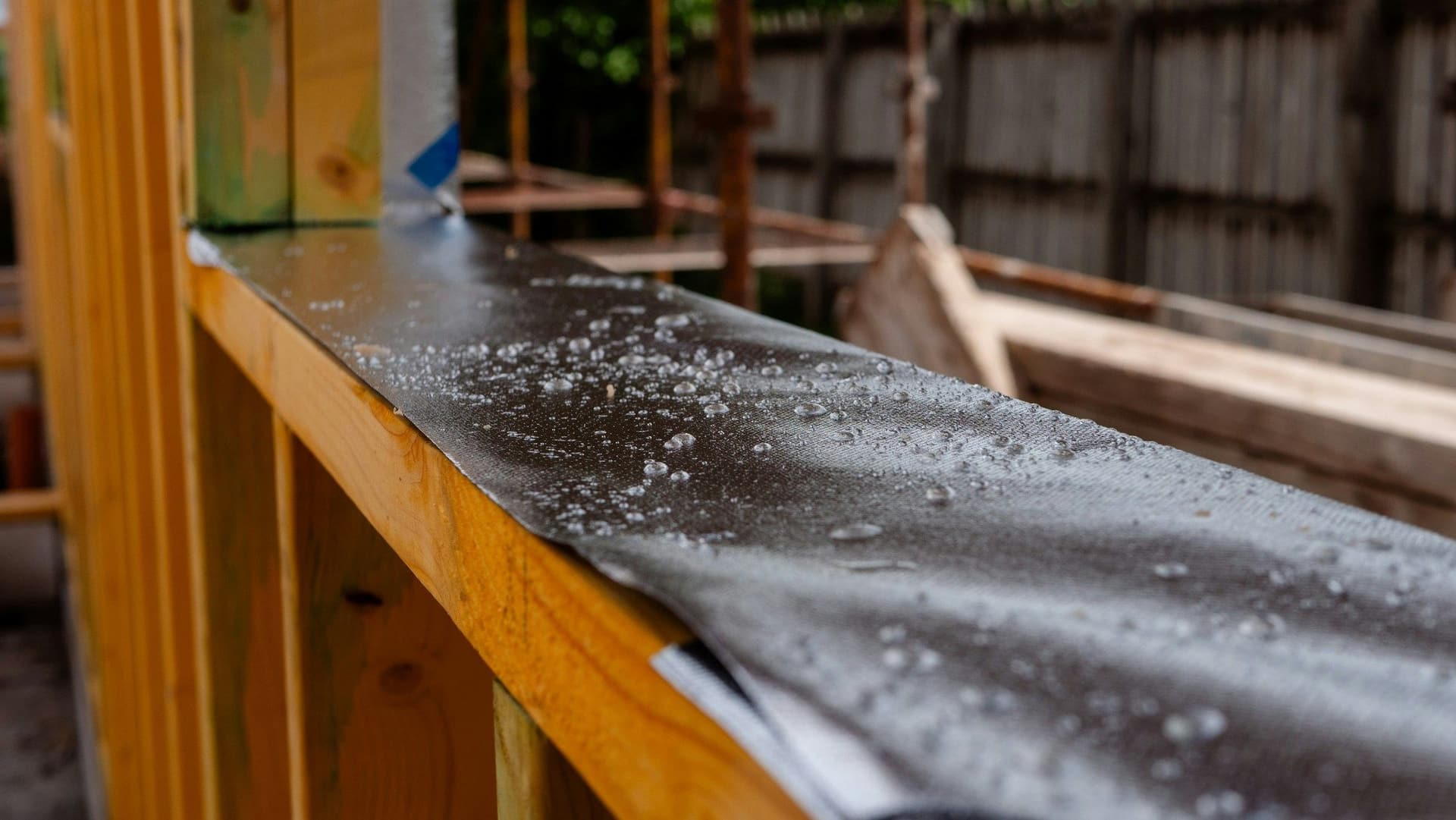
Roof and terrace waterproofing
A continuous waterproof layer over the roof deck or terrace slab, with edges, corners and pipe penetrations sealed.
Wet room waterproofing
Membranes or coatings under the tiles in showers, bathrooms, kitchens and balconies.
Wall waterproofing
Coatings and treatments for walls that take rain or damp, inside and out.
Roof and ceiling insulation
Insulation over or under the roof to slow heat reaching the rooms below.
Wall insulation
Insulation fitted into wall build-ups to slow heat moving in.
Joints, edges and penetrations
The details where leaks start, such as upstands, corners, drains and pipes, sealed so water cannot track in.
Why this work comes before finishes
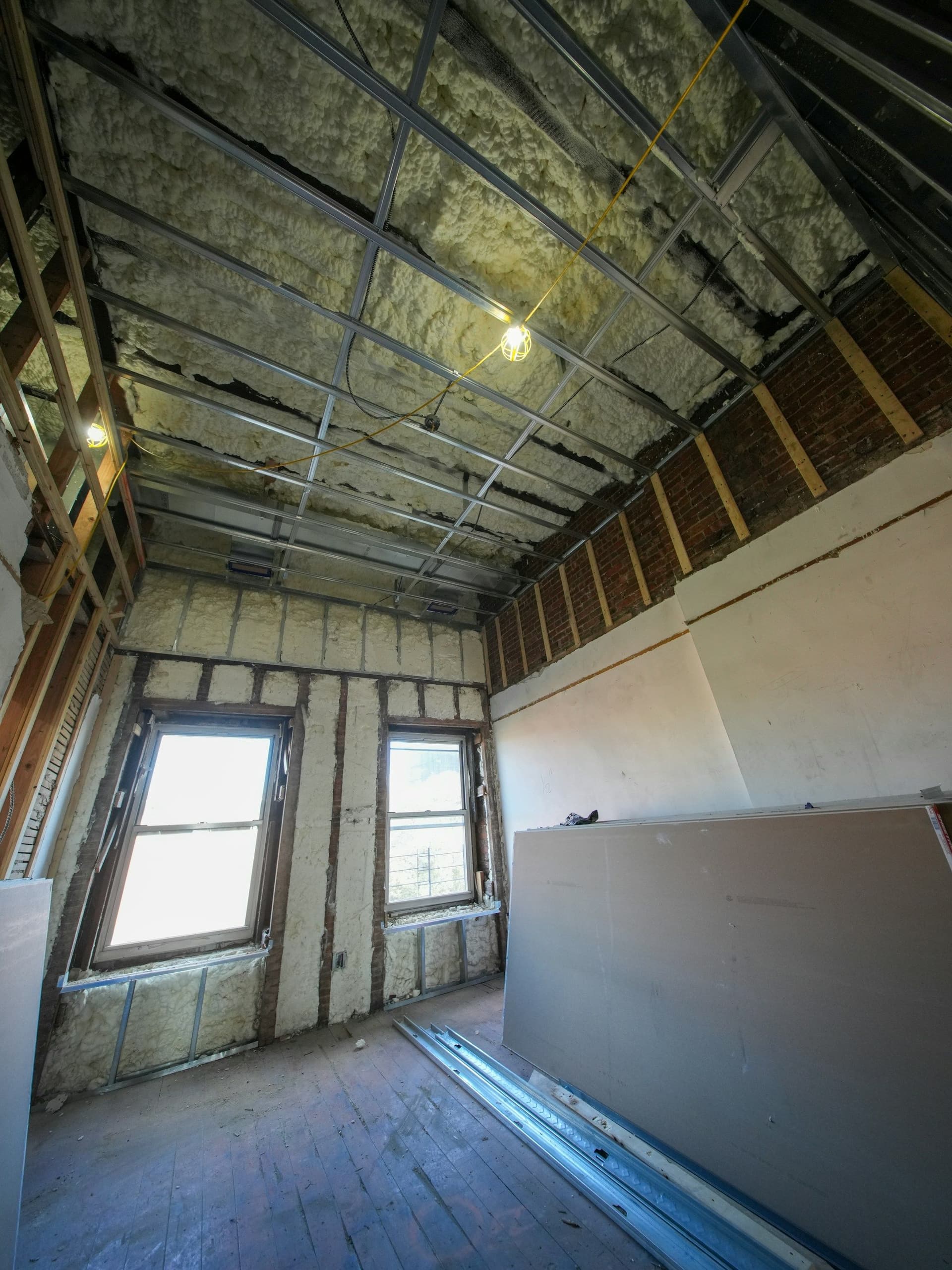
Waterproofing and insulation sit under tiles, plaster, paint and ceilings. Once those go on, reaching a leak or adding insulation means breaking finished work, so the layers are done while surfaces are open.
In Dubai, strong sun and humidity test every layer. A roof that is waterproof but uninsulated still sends heat into the rooms below, and insulation that gets wet stops working. The two jobs are planned together.
Common materials side by side
General trade-offs, not a recommendation. The surface, the exposure and what goes over it decide the choice.
Liquid-applied coating
- Used for
- Roofs, terraces and balconies
- Strengths
- Forms a joint-free layer over awkward shapes and around pipes
- Keep in mind
- Needs a clean, dry surface and an even thickness, and should be inspected from time to time
Sheet membrane
- Used for
- Roofs, wet rooms and below-ground walls
- Strengths
- Even thickness, made in a factory
- Keep in mind
- Seams and edges must be sealed with care
Cement-based waterproofing
- Used for
- Wet rooms and water tanks, under tiles
- Strengths
- Bonds to concrete and takes tiles directly
- Keep in mind
- Rigid, so it suits stable surfaces better than ones that move
Sprayed foam insulation
- Used for
- Roofs and walls
- Strengths
- Fills gaps and forms a continuous layer
- Keep in mind
- Needs careful application and a protective finish where the sun hits it
Board or batt insulation
- Used for
- Walls, ceilings and roof spaces
- Strengths
- Simple to fit while the framing is open
- Keep in mind
- Gaps and squashed batts cut performance, and moisture has to be kept out
Different jobs call for different mixes, and the right one is decided at the assessment.
Roof and exterior work can need approval
Work on roofs, terraces and external walls can change how a building looks or behaves, and in villa communities that can need permission from the developer or community and the relevant authority. Interior waterproofing and insulation usually raise fewer questions, but check before you start. Permits and approvals is one of the services on offer.
Permits and approvals in DubaiHow the work runs
Adapted from the six steps used across the building systems.
- 01
Initial consultation and assessment
A technician inspects the roof, walls, wet rooms and ceilings, notes where water or heat gets in, and asks what you plan to finish.
- 02
Planning and design of waterproofing and insulation
Materials, layers and details such as edges, drains and joints are agreed, with the order of work set against the other trades.
- 03
Installation or repair of waterproofing and insulation
Surfaces are prepared and the waterproofing and insulation layers are applied or repaired.
- 04
Thorough testing and inspection
Waterproofing is inspected and, where the job suits it, tested before anything covers it.
- 05
Final adjustments and cleanup
Details are completed and the area is cleaned up for the next trade.
- 06
Customer walkthrough and satisfaction check
You see the finished work with the team and ask your questions before the finishes go on.
Often done together
Heat and water touch more than one part of the house.
 RoofingRoof repairs, renewals and roof terraces, sealed against heat and water.
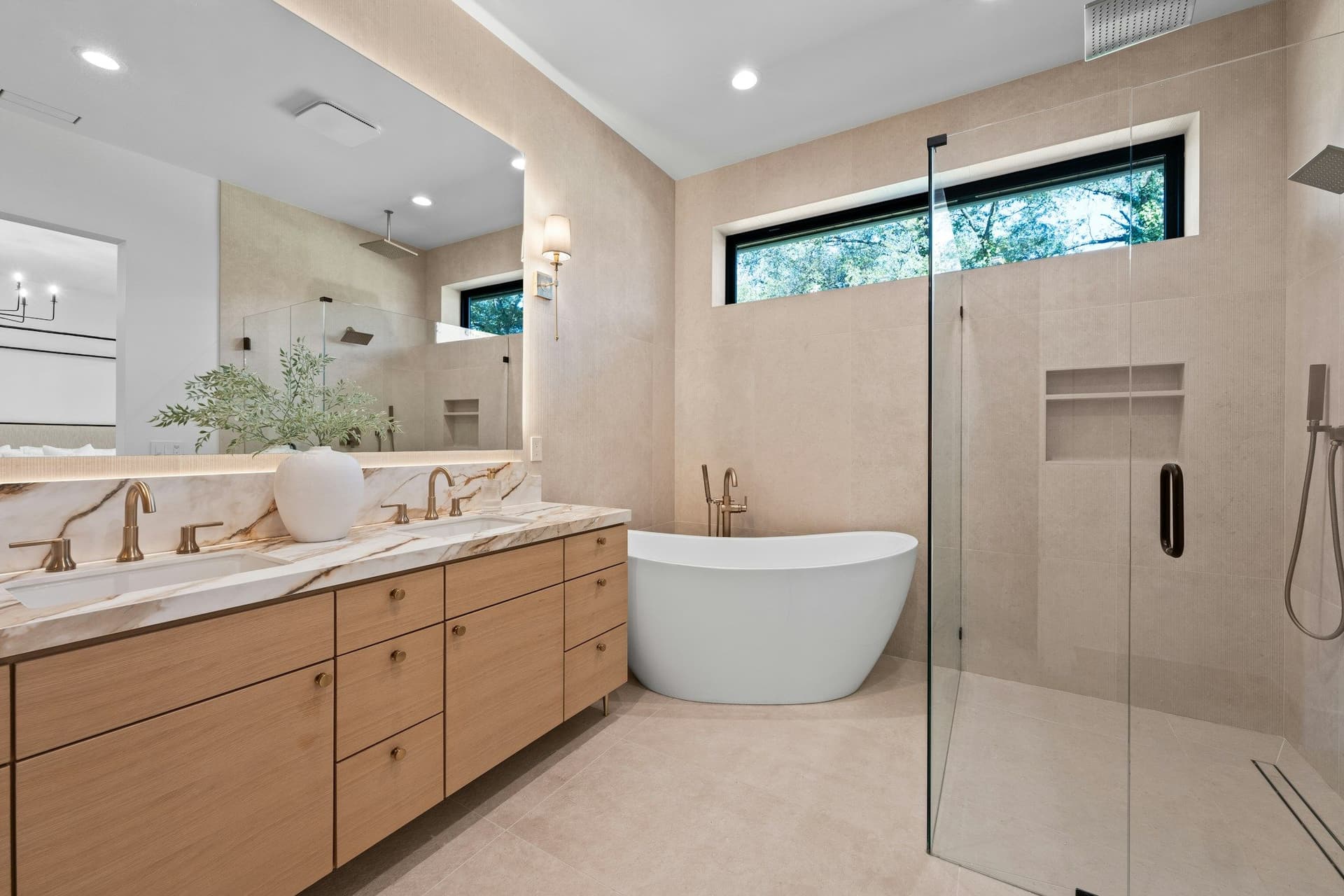 Bathroom remodelingShowers, baths, fixtures, waterproofed tiling, plumbing and lighting.
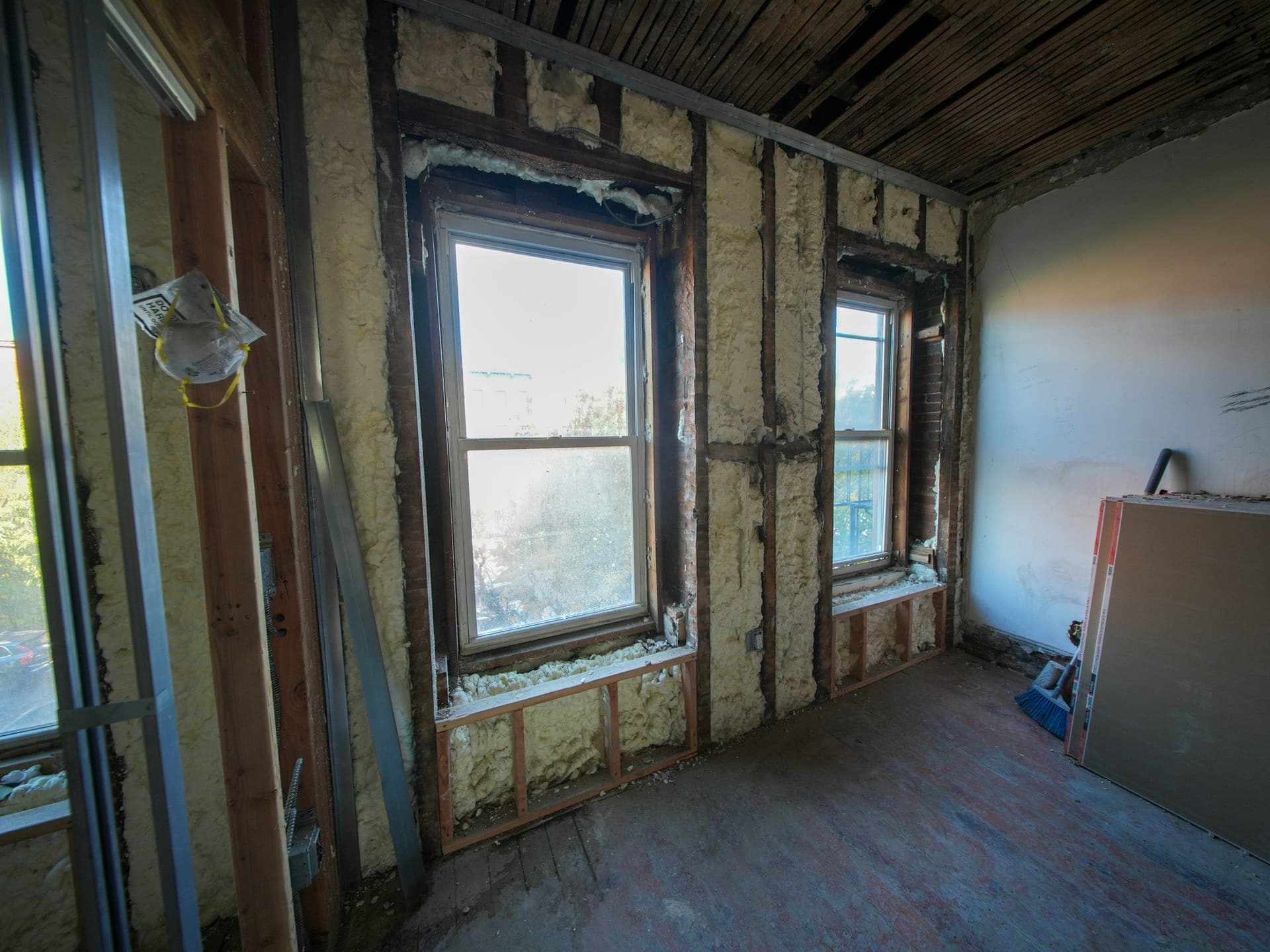 Water, fire and mold damage restorationFinding the cause, removing damage and rebuilding affected rooms.
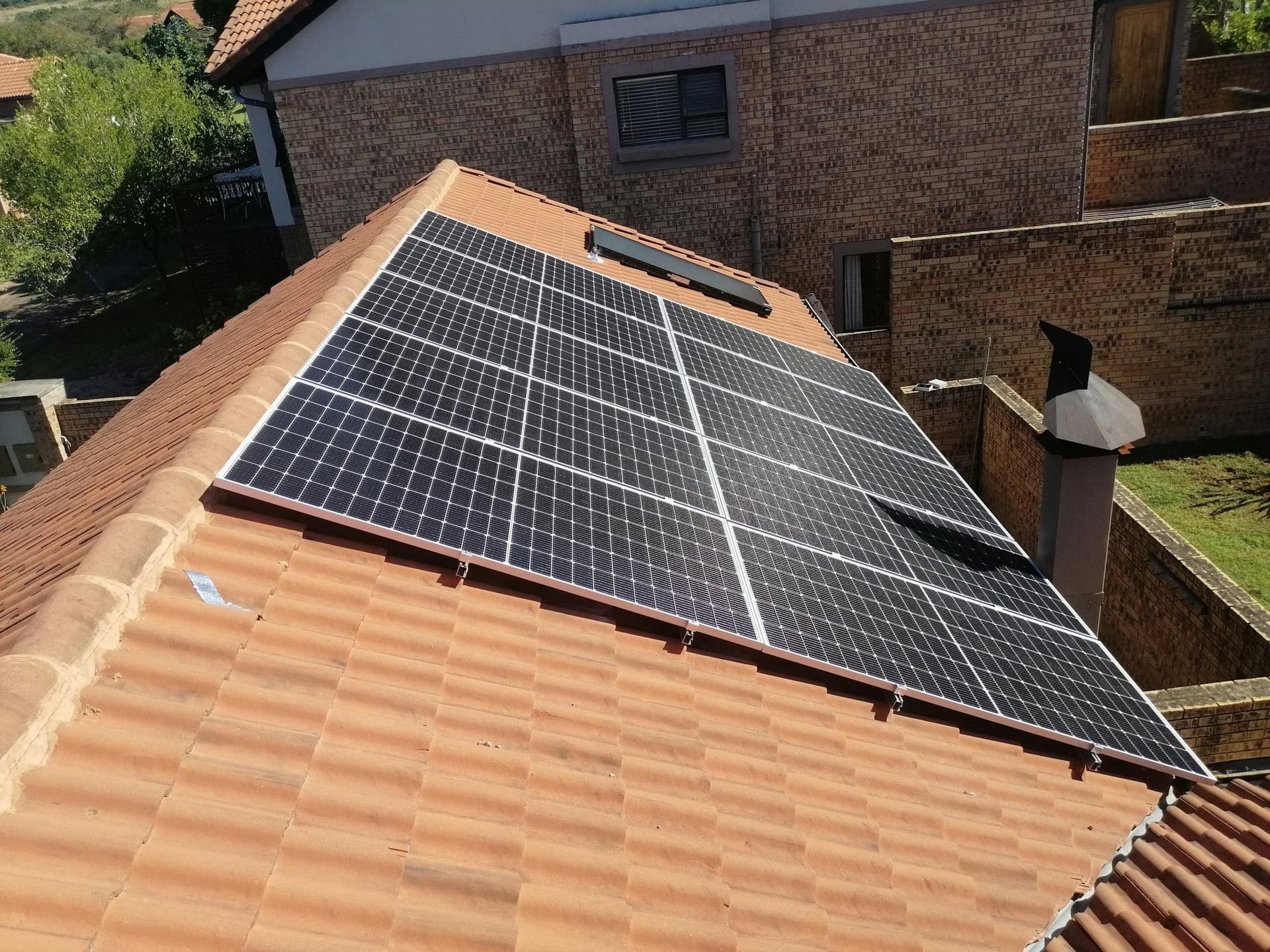 Solar and energy-efficiency upgradesSolar panels, LED lighting and upgrades that cut running costs.
Insulation and waterproofing questions
How do I tell a roof leak from a pipe leak?
Stains that appear after rain point to the roof or walls. Stains that appear without rain, or near a bathroom, often point to pipes. A technician traces the source before anything is sealed.
Can you waterproof a roof or terrace that already leaks?
Often, yes, but the cause has to be found first. Coating over a leak without fixing its source only hides it for a while. The assessment looks at the surface, the drains and the edges.
Does insulation help with AC use?
Slowing heat gain into the rooms means the AC has less to remove, which is why insulation is part of energy-efficiency work. No savings figure is promised, because it depends on the home.
Do I need to empty the room first?
For roof work, no. For wet rooms and ceilings, furniture and fixtures usually have to come out of the area. Work can be done in stages or during off-hours, so tell the team what you need.
How does the estimate work?
The estimate is free, and no obligation or upfront payment is required to ask for one. Before work begins the quote is broken down step by step so you know exactly what you are paying for.
Insulation and waterproofing: get a free estimate
Tell us what you want to change. We inspect, measure and send an itemized estimate with every step broken down, so you know exactly what you are paying for before any work starts.
Free estimates. No obligation or upfront payment required.